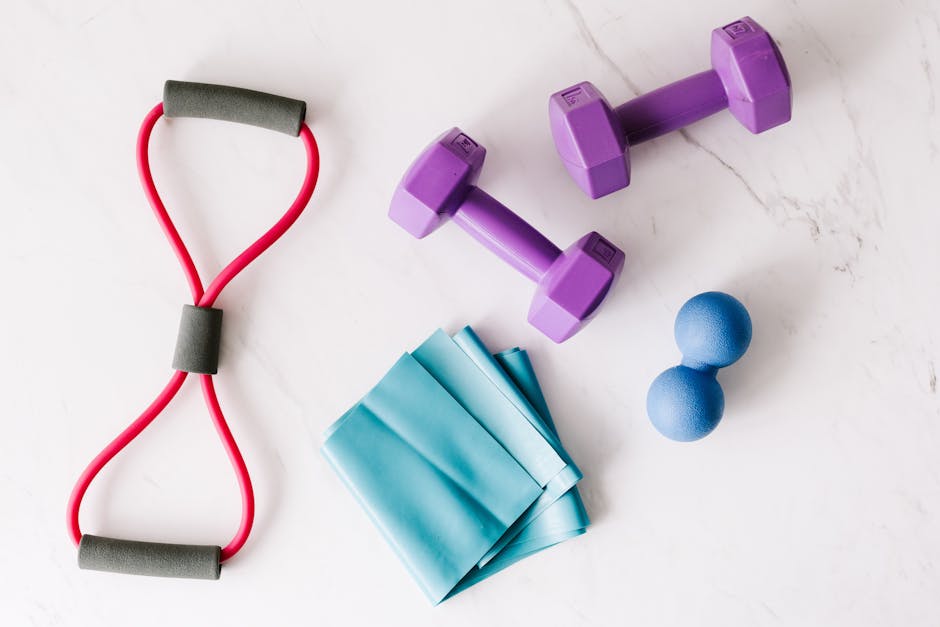
In today's fast-paced world, finding the time and resources to maintain a regular fitness routine can be challenging. However, the rise of home workouts has made it easier than ever to stay fit without the need for expensive gym memberships or specialized equipment. A home workout plan without equipment can be equally effective as traditional training methods, allowing you to sculpt your body, improve your cardiovascular health, and boost your overall well-being from the comfort of your living room.
The Benefits of Working Out at Home
Training at home offers numerous advantages that make it a desirable option for many individuals. Firstly, it provides flexibility; you can work out at your preferred time without the constraints of gym hours or commute hassles. Additionally, studies have shown that people who exercise at home tend to be more consistent in their routines. According to a study published in the Journal of Physical Activity and Health, participants who engaged in home-based workouts reported higher levels of adherence compared to those who frequented commercial gyms.
Moreover, without equipment, you can engage in a variety of bodyweight exercises that are not only effective but also promote functional strength. Bodyweight training can enhance your muscle endurance, flexibility, and overall fitness levels. It’s also a great way to incorporate high-intensity interval training (HIIT) into your routine, which has been shown to improve cardiovascular health and aid in weight management.

Key Principles of a Home Workout Plan
Creating a home workout plan requires a strategic approach to ensure that it meets your fitness goals. Here are some key principles to consider:
1. Set Clear Goals
Before diving into a workout routine, define what you want to achieve. Are you aiming for weight loss, muscle gain, improved endurance, or overall health? Setting clear, measurable goals will help you tailor your workouts accordingly and track your progress over time.
2. Incorporate Variety
To keep your workouts engaging and effective, incorporate a mix of exercises that target different muscle groups and energy systems. This can include strength training, cardio, flexibility work, and balance exercises. For example, you can alternate between push-ups, squats, burpees, and planks to create a well-rounded routine.
3. Focus on Form
Without the guidance of a trainer, maintaining proper form is crucial to prevent injuries and maximize the effectiveness of your workouts. Take the time to learn the correct techniques for each exercise and consider filming yourself or using mirrors to monitor your form.
4. Schedule Regular Workouts
Consistency is key in any fitness regimen. Set aside specific days and times for your workouts, treating them as important appointments. This helps establish a routine that can lead to long-term success.
Sample Home Workout Plan
Below is a sample weekly home workout plan that requires no equipment. Feel free to adjust the repetitions, sets, and duration based on your fitness level.
Day 1: Full-Body Workout
- Warm-up: 5-10 minutes of jumping jacks or high knees
- Push-ups: 3 sets of 10-15 reps
- Bodyweight squats: 3 sets of 15-20 reps
- Plank: 3 sets of 30-60 seconds
- Burpees: 3 sets of 8-12 reps
- Cool down: 5 minutes of stretching
Day 2: Cardio and Core
- Warm-up: 5 minutes of brisk walking or jogging in place
- Mountain climbers: 3 sets of 30 seconds
- High knees: 3 sets of 30 seconds
- Russian twists: 3 sets of 15-20 reps per side
- Leg raises: 3 sets of 10-15 reps
- Cool down: 5 minutes of stretching
Day 3: Lower Body Focus
- Warm-up: 5-10 minutes of dynamic stretches (lunges, leg swings)
- Glute bridges: 3 sets of 15-20 reps
- Lateral lunges: 3 sets of 10-12 reps per side
- Wall sits: 3 sets of 30-60 seconds
- Calf raises: 3 sets of 15-20 reps
- Cool down: 5 minutes of stretching
Day 4: Active Recovery
Engage in a light activity such as walking, yoga, or stretching to allow your muscles to recover.
Day 5: Upper Body Focus
- Warm-up: 5-10 minutes of arm circles and shoulder stretches
- Dips (using a sturdy chair): 3 sets of 10-15 reps
- Inchworms: 3 sets of 8-10 reps
- Side planks: 3 sets of 20-30 seconds per side
- Supermans: 3 sets of 10-15 reps
- Cool down: 5 minutes of stretching
Day 6: HIIT Session
- Warm-up: 5 minutes of jogging in place
- Perform each exercise for 30 seconds, followed by 15 seconds of rest:
- Jump squats
- Push-ups
- Burpees
- Mountain climbers
- Repeat for 3-4 rounds, then cool down.
Day 7: Rest Day
Allow your body to recover fully by taking a complete rest day or engaging in gentle stretching or yoga.
Nutrition and Hydration
While exercise is crucial for fitness, nutrition plays an equally important role in achieving your health goals. A balanced diet rich in whole foods, lean proteins, healthy fats, and plenty of fruits and vegetables will fuel your workouts and aid in recovery. Additionally, staying hydrated is essential to maintain performance and overall health. Aim to drink at least 8-10 cups of water daily, adjusting based on your activity level and climate.
Staying Motivated
Staying motivated when working out at home can sometimes be challenging. To overcome this, consider the following strategies:
- Set short-term and long-term goals to keep your motivation high.
- Create a dedicated workout space that is free from distractions.
- Track your progress with a fitness journal or app.
- Join online fitness communities or social media groups for support.
- Incorporate music or podcasts to make your workouts enjoyable.
Conclusion
Creating a comprehensive home workout plan without equipment is not only feasible but can also yield impressive results. By setting clear goals, incorporating variety, and maintaining consistency, you can achieve your fitness objectives from the comfort of your home. Embrace the freedom and flexibility that home workouts offer, and prepare to transform your health and fitness journey.
