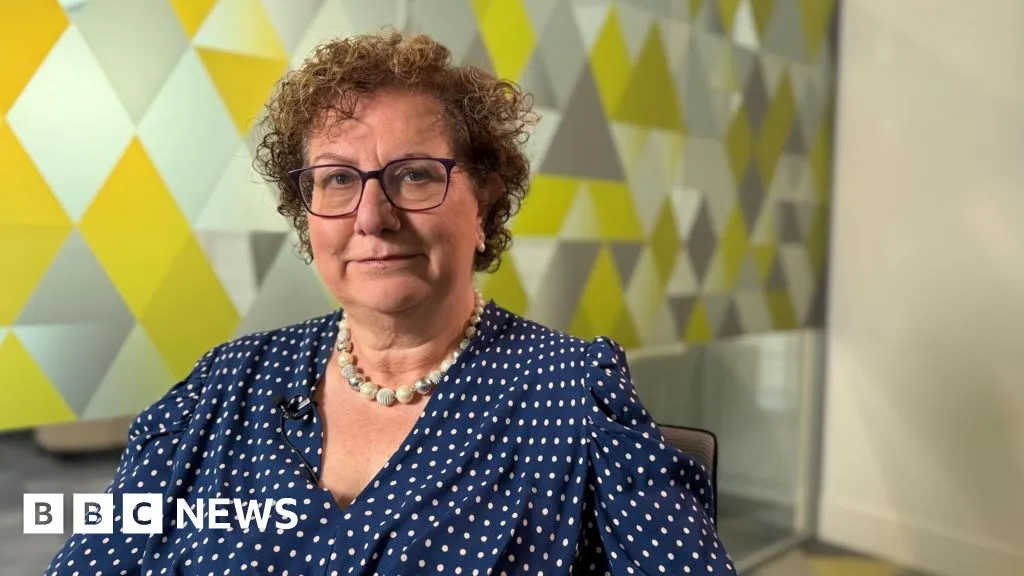
Dr. Hilary Cass has made a compelling case for a trial that could significantly influence the future of gender care for youth, asserting, "I am absolutely convinced that more children will be harmed if we don’t do the trial than if we do." Her statements follow widespread debate and mounting pressure from advocacy groups and politicians advocating for the trial’s cancellation, which will explore the safety and efficacy of puberty blockers in children as young as 11.
Puberty Blockers: A Divisive Topic
The Pathways clinical trial, which is set to be conducted by researchers at King’s College London, aims to gather vital data concerning puberty blockers—medications that delay puberty in gender-questioning youth. Dr. Cass, the author of a pivotal 2024 review on gender medicine, highlighted that the current evidence regarding the harms and benefits of these drugs is inconclusive.
Previously, the NHS prescribed puberty blockers to those under 18 for gender-related care, but a nationwide ban enacted in 2024 has since cast doubt on their medical use for minors. Dr. Cass remarked that the concerns surrounding the drugs have been "exaggerated" and emphasized the necessity of rigorous research to determine whether these medications can provide genuine support to vulnerable young people.
Trial Protocols and Safeguards
Participants in the trial will undergo strict monitoring to assess the impact of puberty blockers on physical, social, and emotional well-being, including evaluations of bone density, brain function, and fertility. Dr. Cass has warned that without such a trial, many youths might pursue unregulated and potentially dangerous alternatives.
"Today we have young people turning up at clinics on testosterone at the age of 11, which we know is irreversible," she stated. "If they were prescribed puberty blockers instead, it could afford more time for therapy and potentially lead to less drastic solutions than a lifelong commitment to medication."
Government Stance and Ongoing Debates
The announcement of the trial faced swift backlash, leading Health Secretary James Murray to affirm the importance of clinical evidence in making future healthcare decisions. In a recent parliamentary session, Murray expressed discomfort with the challenges posed by this issue but remains committed to following clinical advice to protect children involved in the trial.
Originally paused due to proposals for a minimum age of 14, the trial has now set recruitment ages at 11 for birth-registered female participants and 12 for males, with recruitment expected to commence this August—pending ongoing legal battles. Some groups, including the Bayswater Support Group, are pursuing legal action against the trial, arguing it endangers future fertility and risks irreversible harm.
Mixed Reactions and Next Steps
While the Conservative Party is advocating for parliamentary discussions on the trial's ethics, trans advocacy group TransActual has welcomed Dr. Cass’s initiative. They propose that the NHS should revoke the existing ban on puberty blockers and provide comprehensive care based on informed consent rather than moral dilemmas.
Dr. Cass insists that the unfolding conversation surrounding gender care must be grounded in clinical expertise and scientific understanding. She asserts that the healthcare system has inadequately served young people questioning their identities for far too long, noting, "This is a group that deserves our focus and attention as they navigate their challenges."
As the discourse surrounding puberty blockers continues to evolve, the outcome of this clinical trial may ultimately shape the landscape of pediatric gender care for years to come.
Source: BBC News - Health