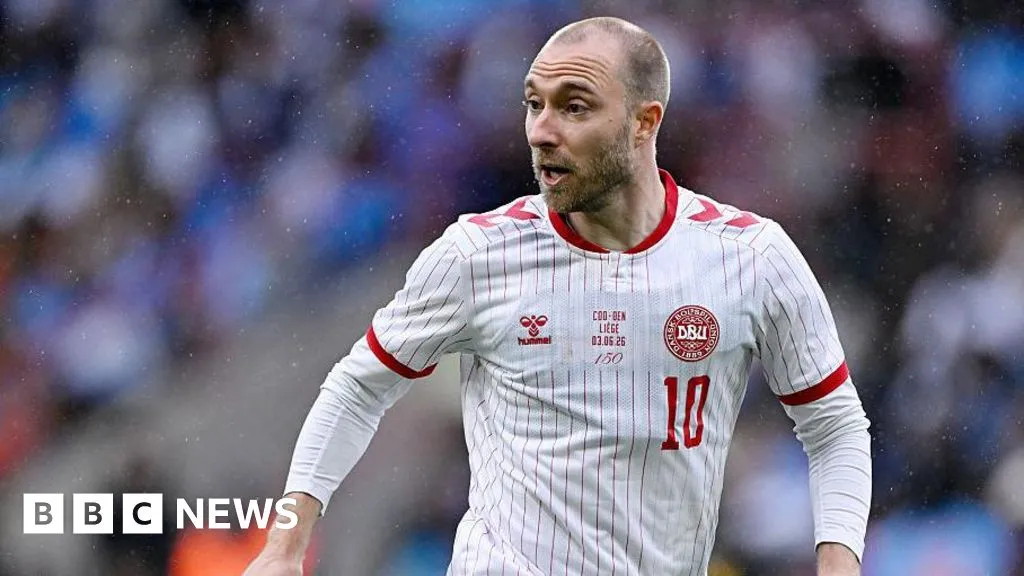
In a stunning display of medical technology in the world of sports, Danish footballer Christian Eriksen's implantable cardioverter defibrillator (ICD) activated just in time to save his life once again during an international fixture against Ukraine on Sunday. The 34-year-old sustained a cardiac incident on the pitch, reminiscent of his past collapse during the 2021 European Championships, but this time, he was able to walk off the field thanks to the quick action of his heart device.
How the ICD Works
After regaining consciousness, Eriksen took to social media, praising the small yet powerful device implanted in his chest: "My ICD did exactly what it was designed to do: protect me when I needed it." An ICD is more than just a pacemaker; it functions as a mini defibrillator programmed to detect and correct erratic heart rhythms immediately. It sends electrical shocks when necessary, effectively resetting the heart's rhythm.
Timely Intervention
Experts suggest that the ICD likely delivered a crucial shock after detecting a dangerously abnormal heart rate. Professor Aneil Malhotra, a sports cardiologist at the Institute of Sport, Manchester Metropolitan University, describes the sensation of such a shock as similar to receiving a strong thump in the chest. "Resetting the heart is like switching a computer off and on again," he explains, highlighting the effectiveness of these devices in crisis situations.
The Anatomy of a Cardiac Arrest
Christian Eriksen’s harrowing experience underscores the gravity of cardiac arrests, which differ from heart attacks in that they can stem from various underlying issues. These can range from congenital heart conditions to inflammation or even reactions to medication. While incidents such as Eriksen's are alarming, they are not isolated cases; the football world has witnessed similar traumatic collapses.
History and Recovery
Eriksen's previous collapse in 2021 was a life-altering moment, highlighting the vital importance of emergency medical protocols in sports. He received immediate CPR and was revived using a portable defibrillator. This latest episode, however, saw the advantages of having an ICD already in place, allowing for instantaneous intervention. Professor Michael Papadakis of St George's, University of London, refers to the device as a "shock box," emphasizing its critical role in managing life-threatening irregularities in heart rhythms.
Understanding Sudden Cardiac Arrest
Outside of professional sports, sudden cardiac arrest remains a silent epidemic, claiming the lives of 12 young individuals weekly in the UK, according to charity Cardiac Risk in the Young (CRY). Dr. Steve Cox, CEO of CRY, reminds us that these conditions can strike without warning, drawing attention to the need for awareness and preventive measures.
Much like Eriksen, football has seen others triumph against similar challenges. Former professional players like Daley Blind have continued their careers post-ICD implantation, demonstrating that with appropriate medical support, life and sports can go on.
As Eriksen recuperates with his family, the incident not only serves as a testament to his resilience but also highlights the incredible advances in cardiac care and technology that are safeguarding athletes around the globe.
Source: BBC News - Health