The World Health Organization (WHO) has escalated the public health risk tied to the Ebola outbreak in the Democratic Republic of Congo (DRC) from 'high' to 'very high' amid a troubling surge in suspected cases. As of now, almost 750 suspected infections have been reported, compounding fears within the affected communities.
Rising Cases and an Urgent Global Response
At a briefing in Geneva, WHO Director-General Dr. Tedros Adhanom Ghebreyesus confirmed that while the risk across the larger African region is categorized as 'high', it remains 'low' at the global level. The rare but deadly Bundibugyo strain of the virus, which has no proven vaccine, has already claimed 177 suspected lives in a troubling uptick of infections, .
New Vaccination Efforts Underway
In a promising development, scientists at Oxford University in the UK are reportedly advancing a new vaccine based on the technology used for the AstraZeneca Covid vaccine. Should preliminary animal testing conclude successfully within the next few months, this vaccine may soon reach clinical trial stages. The Serum Institute of India is prepared to commence mass production upon the availability of medical-grade materials from Oxford.
Contrarily, another experimental vaccine targeting the Bundibugyo strain is in the pipeline, but experts estimate that it could take six to nine months before any doses are ready for testing. WHO's research and development adviser, Dr. Vasee Moorthy, described this latter vaccine as among the most promising candidates, potentially serving a role similar to the currently used Ervebo for the more prevalent Zaire species of Ebola.
Community Response and Rising Anxiety
As the epidemic unfolds, Dr. Tedros noted that 82 cases of Ebola have been confirmed within the DRC’s borders, leading to seven confirmed deaths. The situation in neighboring Uganda, now harboring two confirmed cases, appears stable, yet the risk of further transmission remains.
Compounding the outbreak's challenges are variable factors including violence and insecurity in this war-torn region. Dr. Tedros emphasized the importance of building trust within the community, indicating that hostility has risen since relatives of deceased patients have demonstrated extreme reactions out of fear and frustration. In one harrowing incident, relatives set fire to a hospital in eastern DRC after health workers withheld the body of an Ebola victim due to contamination risks. Local authorities had to deploy military protection for health workers amidst chaotic protests.
The Broader Implications of the Outbreak
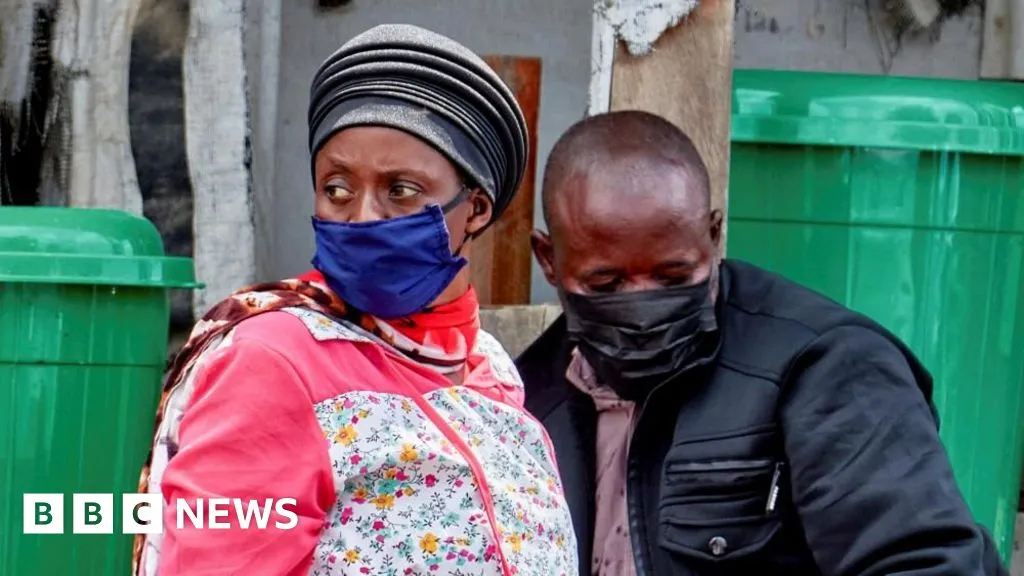
“They started throwing projectiles at the hospital,” said local politician Luc Malembe Malembe, providing a glimpse into the escalating tensions within communities grappling with the outbreak. Fear ripples through the population, with residents like Fred Kiza expressing that such anxiety is commonplace in the face of an outbreak.
As the situation continues to evolve, the WHO declared a public health emergency of international concern last Sunday. While the organization assures that the outbreak is not yet at pandemic levels, the continuing rise in suspected cases has underscored the urgent need for a coordinated public health response.
With the stakes increasing, the focus remains on mobilizing resources, developing effective vaccines, and restoring trust within communities as leaders at both local and international levels strive to combat this formidable health crisis.
Source: BBC News - Health