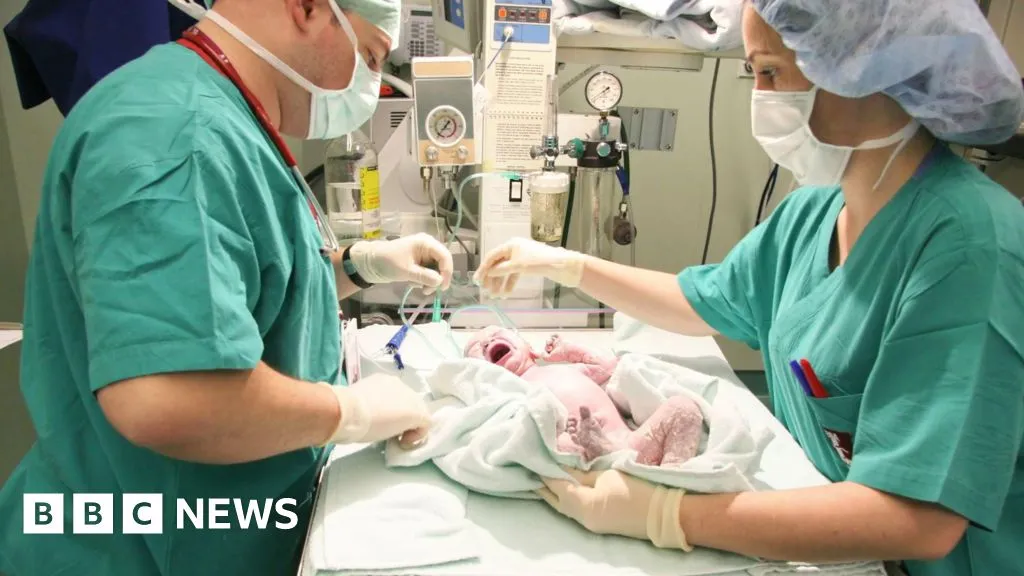
A striking 25% of all births in England are now conducted via emergency caesarean section, according to a detailed analysis by the BBC, marking a remarkable rise of eight percentage points over the past five years. This trend signifies a transformative shift in childbirth practices nationwide, with implications for maternal health and safety that have left experts seeking answers.
While planned caesarean deliveries have also increased, the percentage of vaginal births without medical instruments has dipped dramatically, from over 50% to just 43%. Prof. Marian Knight, director of the National Perinatal Epidemiology Unit, describes this surge as a defining change in the birthing landscape of England that has not been mirrored by other European nations.
The Complexity Behind the Numbers
The reasons behind this upward trajectory remain elusive. The NHS, which does not publish detailed reasons for emergency C-sections, raises questions about the evolving nature of obstetric practice. Experts suggest a pervasive culture of fear may be partially driving up these rates, as both expectant mothers and healthcare providers grapple with the specters of past maternity scandals, leading to more conservative approaches to birth.
The Royal College of Obstetricians and Gynaecologists, representing maternity professionals, has voiced concern over operational pressures within hospitals, indicating the system is struggling to accommodate increasing demands.
National Trends and Comparisons
Current statistics reveal that emergency caesareans have escalated from 18% to 26% of deliveries, while planned caesareans account for 20%. In comparison, other regions in the UK report lower emergency C-section rates—22% in Scotland, 20% in Wales, and 16% in Northern Ireland. The data tracks the rapid climb of England from 14th to 9th place in global rankings based on caesarean birth proportions, as examined across 42 countries.
Intriguingly, despite this rise in surgical deliveries, stillbirth and neonatal mortality rates have remained largely steady. Prof. Shakila Thangaratinam, a consultant obstetrician, emphasizes that without clearer insights into why these surgeries are taking place, addressing potential disparities and safety concerns remains challenging—a sentiment echoed by many in the medical community.
Demographic Disparities and Societal Impacts
The national average obscures significant disparities affecting black and Asian mothers, who experience emergency C-sections at rates approaching one in three. This raises further questions about accessibility, care equity, and the complex interplay of personal factors, such as age and pre-existing health conditions, on birth outcomes.
Increasingly, attention is turning to the psychological factors influencing medical choices. The historical context of maternity targets, which discouraged caesareans, shifted in 2022, yet fears stemming from high-profile cases of maltreatment in hospitals persist. Ongoing inquiries into several maternity scandals reinforce the urgent necessity for improved practices, transparency, and patient safety protocols.
Increased legal claims related to maternity care—up by 11% over the past five years—underscore the demanding pressures faced by the NHS. As one healthcare professional noted, the fear of becoming the next headline amidst such scandals looms large.
Looking Ahead
The healthcare community is now contemplating the ramifications of these changes, advocating for more robust data to understand the factors driving the rise in caesareans. As the maternity landscape continues to evolve, the health and safety of mothers and babies depend on accurate assessments and informed decisions made by both healthcare practitioners and patients alike.
Source: BBC News - Health