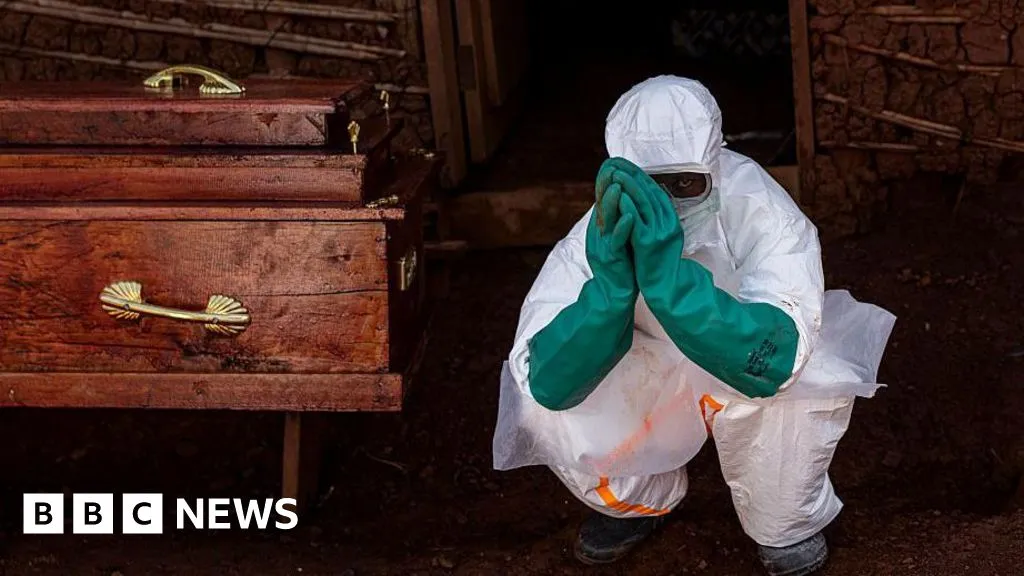
A new outbreak of Ebola, centered in the Democratic Republic of Congo and gripping neighboring Uganda, has prompted urgent action from various research institutions, leading to the development of three innovative vaccines specifically targeting the deadly Bundibugyo strain. The International Aids Vaccine Initiative (IAVI) has raised alarms that this outbreak could become one of the gravest in history, with nearly 250 confirmed deaths and over 1,000 suspected cases.
The Coalition for Epidemic Preparedness Innovations (CEPI), which is funding these vaccine initiatives, has stressed that "every day counts" in the race against the virus. Dr. Mark Feinberg, head of IAVI, warned, "This is clearly threatening to be as severe an outbreak as that of 2014-2016, if not worse. We must prioritize the development of vaccines and other countermeasures." This renewed urgency comes in response to a significant rise in cases occurring within a conflict zone notorious for limited healthcare resources.
The Vaccines Under Development
The three vaccine candidates are being advanced by IAVI, Moderna, and the University of Oxford. While a licensed vaccine exists for the common Zaire strain of Ebola, the current outbreak is primarily caused by the less common Bundibugyo species, which has only been reported twice before. IAVI's approach involves a modified version of the Zaire vaccine, which has shown promising results in preclinical tests involving monkeys, achieving nearly 100% protection.
Moderna, known for its rapid mRNA vaccine development during the COVID-19 pandemic, is also leveraging its expertise to devise a vaccine targeting the Bundibugyo strain. Stéphane Bancel, CEO of Moderna, affirmed the company’s commitment to accelerating this initiative, stating, "We will move with urgency and scientific rigor to support the response and help bring a potential vaccine closer to the communities that need it most." Meanwhile, the University of Oxford is harnessing its established vaccine technology, with plans to initiate clinical trials within two to three months.
A Public Health Emergency
The situation has garnered international attention, with medical charity Médecins Sans Frontières (MSF) categorizing it as "deeply alarming." They highlighted the unprecedented speed at which cases are climbing, emphasizing the urgent need for effective vaccines. CEPI's CEO Dr. Richard Hatchett underscored, "With the Bundibugyo virus spreading rapidly and no licensed vaccines available, every day counts in the race against this deadly disease."
Each vaccine strategy aims to prepare the immune system to recognize the Bundibugyo glycoprotein, a critical structure on the virus's surface, using distinct methodologies. While IAVI employs a harmless engineered virus to stimulate an immune response, Moderna and Oxford’s vaccines utilize genetic code to provoke a similar effect. The effectiveness and required dosage of these varied approaches will need to be validated in clinical trials before any potential rollout.
The specter of previous Ebola outbreaks looms large, not just as a public health crisis but as a stark reminder of the need for preparedness. Dr. Tedros Adhanom Ghebreyesus, Director-General of the World Health Organization, stressed, "A Bundibugyo vaccine could help control this epidemic and bolster our readiness for future outbreaks." As researchers race against time, the global community watches closely, hoping for timely solutions in the face of this emerging health threat.
Source: BBC News
Source: BBC News - Health